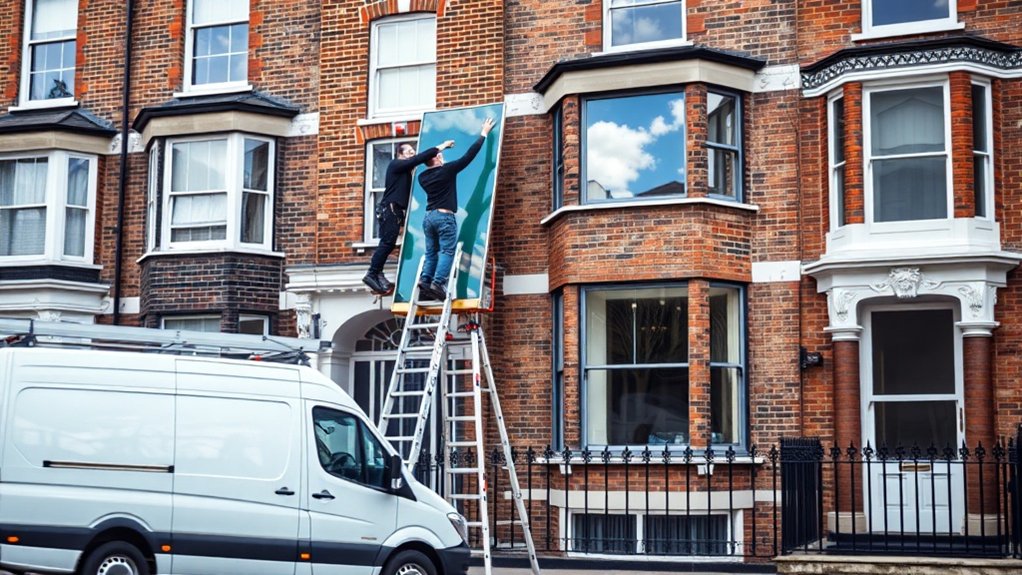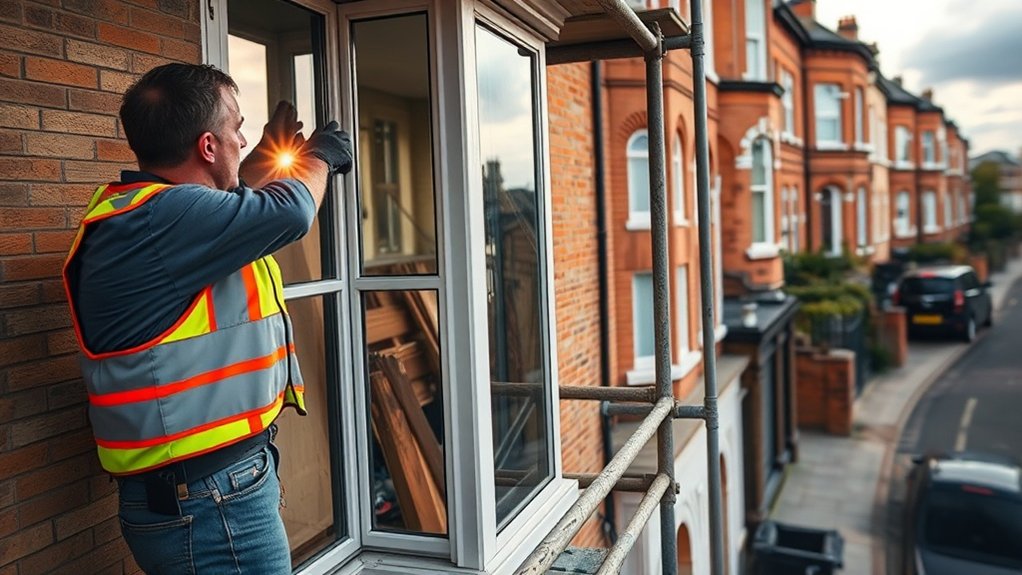




We are a local glazing company serving homes and businesses across Bedfont. Our fitters replace and repair windows, doors, shop fronts and glass of every kind, and we specify each job to cut heat loss and street noise without spoiling the look of the building. You get plain advice on uPVC, aluminium or timber frames, on double or triple glazing, and on what Part L and Part O of the Building Regulations require. From a single cracked pane to a whole-house replacement, the sections below explain how we work, what it costs and how to choose the right specification for your property.
Key insights
- We design, supply and fit high-performance windows and glazing in Bedfont, including structural glass, rooflights, bespoke door sets and A-rated double or triple glazing.
- Our surveyors advise on planning consent, Part L and Part O compliance, U-values, solar gain, acoustics and security, including heritage and conservation-area work.
- Repair is often the better option: re-sealing, new sealed units and hardware upgrades can restore performance without losing original sightlines.
- uPVC, aluminium, timber and hybrid frames are all available, with slim profiles, colour matching and integrated privacy, shading and smart security choices.
- Installations are FENSA or CERTASS certified, backed by written warranties and followed up with inspections, maintenance guidance and prompt defect repairs across Bedfont.
Why Bedfont Homeowners Hire Glazing Specialists
A window is a building component, not a sheet of glass in a frame. If you are replacing windows or fixing failed glazing in Bedfont, TW14, a specialist gets the measurements, the compliance and the longevity right, so the unit sits square in the opening, seals against the weather and still works in twenty years.
A good glazier also does the thinking you would otherwise have to do yourself: reading the Building Regulations, choosing a U-value, managing solar gain on a south-facing elevation, and balancing noise reduction against security. On a period property the skill shows most. We can keep the original glazing bars and proportions of a Victorian bay while fitting slimline double glazing behind them, or match the curved glass and fine mullions of a 1930s Art Deco frontage using modern fabrication and period-correct ironmongery.
What Glazing and Window Services Do Bedfont Specialists Offer?
The range runs from a single replacement sash to a full commercial curtain wall, and every job in Bedfont follows the same structure: design, compliance, installation and aftercare. The first step is a technical survey, where we turn your thermal, acoustic and solar-control goals into a written specification you can compare quotes against.
From there we design and supply double, triple or bespoke glazing, including structural glass, flat and pitched rooflights, and contemporary aluminium or timber systems. We handle the planning questions, Part L and Part O calculations, safety glazing to BS EN 12600 and any security requirement such as PAS 24.
On site, we manage the fitting itself, the junction with the wall and the airtightness detailing that stops draughts around the frame. Afterwards you can add window film for privacy or solar control, book routine glass cleaning, have hardware adjusted and ask us to check performance over time.
Repair or Replace? Deciding What Your Windows Need
Windows age at different rates even on the same house, but the decision is always the same: will a targeted repair restore performance, or is a full replacement better value over the next two decades? Start with the symptoms. Draughts, misting between the panes, sashes that stick and soft or rotten timber each point to a different answer.
Where the problems are isolated, a repair is usually the right call. Replacing a failed sealed unit, re-sealing the frame or fitting new hinges and locks often recovers most of the thermal performance at a fraction of the cost, keeps the original appearance and avoids skip-loads of waste. For listed or conservation-area houses it is frequently the only acceptable route.
Replacement makes more sense when the frame has moved with the structure, rot has spread through cills and jambs, or condensation is a constant problem. New units bring modern U-values, acoustic glass and multi-point locking, and we replicate the sightlines and proportions so the house does not lose its identity. A proper survey, with the costs of both options set side by side, should settle it.
UPVC vs Aluminium vs Timber Window Frames
Frame material shapes the insulation, the upkeep, the appearance and the whole-life cost of your windows, so it deserves a considered choice. uPVC is the practical default for most Bedfont houses: good insulation, nothing to paint, a long service life and the lowest price. Aluminium gives the slimmest sightlines and the greatest strength, which is why it suits large sliding doors, big picture windows and awkward openings; thermally broken profiles have resolved the cold-frame problem that older aluminium had. Timber brings warmth and authenticity and is often required in conservation areas, but it needs repainting every few years and costs more to buy. Timber-aluminium composites combine a wooden interior with a weatherproof outer skin at the top of the price range. We model the thermal performance, lifetime cost and appearance of each option against your property before recommending a frame and glass combination.
Single vs Double vs Triple Glazing Options
With the frame settled, the glass is the next decision. Single glazing is one pane: light, cheap and poor at keeping heat or noise out. On an external window it will not meet Part L, so its only real place today is in internal partitions and secondary glazing behind a protected original.
Double glazing uses two panes separated by a sealed cavity filled with air or argon. Varying the pane thicknesses and the spacer bar lets us tune the unit for sound, security and comfort without making it too heavy for the frame.
Triple glazing adds a third pane and a second cavity. It is the choice for low-energy builds, very exposed sites and bedrooms facing a main road, but the units are heavier, so the frame, hinges and fixings have to be specified to carry them. Accurate surveying, well-prepared openings and careful sealing matter more here than anywhere else.
Energy‑Efficient Glazing for Bedfont Homes
The weather in Bedfont, TW14 swings between damp, cold winters and summers that are getting hotter, and your windows have to cope with both. A modern sealed unit combines a low-emissivity coating, an argon or krypton gas fill and warm-edge spacer bars to keep heat inside in January and limit solar gain in July, which steadies the indoor temperature and trims the heating bill.
Specified correctly, none of that costs you daylight or looks. Durable coatings and well-made edge seals keep the unit performing for years and reduce the chance of misting. Our surveyors look at the orientation of each elevation, the condition of the existing frames and the U-value you need, then write a glass specification for the house rather than pulling a standard unit off the shelf, so every window pulls its weight thermally.
Acoustic Glazing to Reduce City Noise
Traffic, trains and late-night activity do not have to follow you indoors. Acoustic glazing uses laminated panes, sound-damping interlayers and carefully sized cavities to block the frequencies that dominate Bedfont's busier streets, and it does so without reducing daylight or changing the look of the window. The result is a quieter home, better sleep and an easier time concentrating when you work from home.
How Acoustic Glazing Works
Sound travels through a window by making the glass vibrate, so the trick is to interrupt that vibration. Acoustic glass pairs panes of different thicknesses with a specialist interlayer, so that the frequencies which pass one pane easily are stopped by the other. Rather than letting noise through, the unit reflects part of it, absorbs part and damps the rest.
This is more than fitting thicker glass. A typical build might bond a 6.4 mm laminated pane to a 4 mm pane with an acoustic PVB interlayer, targeting road and rail noise specifically. The width of the cavity, the gas fill and the frame all adjust the result, which is why we model the specification against the noise outside your particular house rather than quoting a generic figure.
Benefits For Urban Homes
The science only matters if the house feels different afterwards, and it does. In a dense part of town, acoustic glazing lets you keep the convenience of a central location while leaving the noise outside. Laminated panes, correctly sized cavities and tight compression seals deliver a measurable drop in decibels without altering the frame profile or the character of the elevation.
You get quieter rooms, clearer concentration and undisturbed sleep, with no loss of daylight or slim sightlines.
- Sound control: traffic, rail and nightlife noise drop to a steady, lower level for working and resting.
- Thermal efficiency: the same laminated units improve U-values, so heating bills and carbon footprint fall as well.
- Design flexibility: profiles, tints and coatings can be matched to heritage frontages or modern architecture.
Security Upgrades for Glazing and Windows
Windows are usually the first thing a burglar tests, so a few targeted upgrades make a real difference to how secure your home is. Laminated and toughened glass resists impact and holds together when struck, and internally beaded frames stop anyone prising a pane out from the outside.
Multi-point locks, reinforced hinges and frames designed to resist a jemmy add further resistance to forced entry without looking any different from the street. A security film applied to the inside face of existing glass adds another layer where replacing the units is not an option.
Appearance need not suffer. Modern frames, hardware finishes and colour choices let security sit comfortably alongside the design you want. A survey will show which elevations are most exposed, so you can concentrate the budget where the risk is and fit the upgrades into your wider home security plan.
Restoring and Upgrading Period Sash Windows
Security and character are not in conflict, and Bedfont's conservation areas prove it. Original sash windows can keep their joinery and proportions while gaining modern glass, seals and ironmongery that meet current standards for efficiency and security.
Our survey records the state of the timber, the routes air leaks through and the existing sightlines, and the upgrade is designed around those findings so the window still reads as original from the pavement.
- Precision refurbishment – spliced repairs, resin consolidation and re-balanced weights bring the sashes back to smooth running.
- Aesthetic restoration – slimline double glazing, traditional putty lines and profile-matched beads preserve the authentic look.
- Performance optimisation – low-E glass, acoustic laminates and brush pile seals cut heat loss and noise without altering the character.
Bespoke Glazing for Extensions, Doors and Balconies
An extension, a set of glazed doors or a new balcony calls for bespoke glazing designed around the architecture, the way you live and the budget. We help you configure the panes, frames and openings to bring in as much light and sense of space as possible while meeting the thermal and acoustic standards that apply. Laminated and toughened glass, selective coatings and obscure finishes let us balance safety, privacy and performance without compromising the design.
Custom Glazing Design Options
Standard sizes rarely suit a one-off extension. With a custom glazing design you decide the profile, the opening type, the sightlines and the performance figures, and you can match the colour to existing frames or contrast it to mark out the new structure.
We turn your drawings into a buildable scheme, coordinating the glass with structural steel, drainage details and fixings for extensions, doors and balconies. Clear units can be combined with obscure glass, printed surfaces or decorative patterns where privacy or branding is needed.
- Set the frame geometry, mullion spacing and threshold details.
- Choose the glass build-up for security, acoustics and solar control.
- Integrate hardware, balustrade fixings and any access requirements.
Enhancing Light And Space
Once the specification is agreed, the aim is to use it to open up extensions, door sets and balcony fronts. Large-span glazing, ultra-slim sightlines and carefully chosen frame depths let in the most daylight the structure can support.
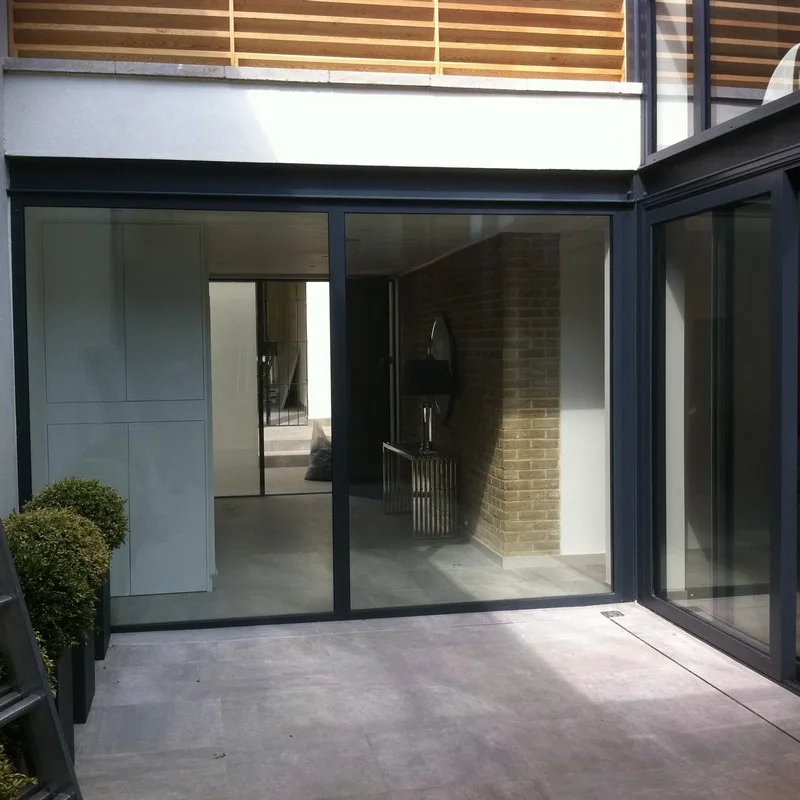
At the back of a house, floor-to-ceiling sliding doors or minimally framed fixed panes blur the line between kitchen and garden. Bespoke glazed doors with a flush threshold give a single continuous floor, which makes a modest room feel far larger.
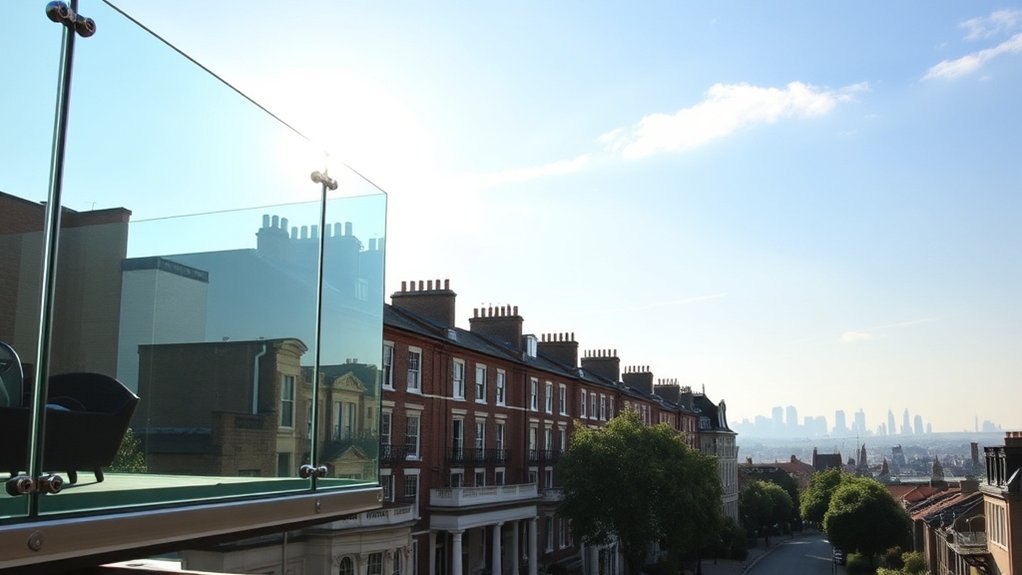
On a balcony, a glass balustrade or full-height screen keeps the view and lets daylight reach the rooms behind. By coordinating pane sizes, mullion positions and which panels open, a tight Bedfont footprint can be turned into a bright, generous space that is also sensible to build.
Safety, Privacy And Performance
Looks aside, properly specified glazing protects an extension, door or balcony by combining safety, privacy and long-term performance in one package. You get genuine resilience while keeping the clean lines you asked for.
We use laminated and toughened glass, compliant hardware and assemblies tested for impact, so the safety provisions meet or exceed BS 6180 and the relevant parts of the Building Regulations. Coatings and interlayers provide privacy while leaving daylight and visibility largely untouched.
Each elevation can be configured for its use, exposure and risk:
- Balustrades in structural glass with tested, secure fixings.
- Door systems with multi-point locking and jemmy-resistant profiles.
- Extension glazing with acoustic, solar-control and low-E units for lasting thermal performance.
What to Expect From a Professional Glazing Survey
Before any glass is measured, a professional glazing survey in Bedfont, TW14 should leave you with a clear picture of what your windows are doing now and what they need. Our surveyor records every opening, notes the condition of each frame and assesses the glass against exposure, security and thermal targets.
The visit also covers alignment, ventilation paths and the current sealing, flagging where air or water can get in and where noise comes through. Expect laser measurements, photographs and notes detailed enough to produce an accurate price and manufacturing data straight away.
A good survey points out upgrade options too: better coatings, warm-edge spacers, improved hardware and links to shading or smart-home controls. What you receive is a prioritised, costed plan that weighs the performance gains against the practicalities of fitting.
Planning Rules and Building Regs for New Windows
Two separate sets of rules govern new windows, and you need to know where you stand with both before approving a design. Planning rules control how the building looks from outside; the Building Regulations control how the window performs. In Bedfont, both bite hardest in conservation areas and on listed buildings, where appearance is examined closely.
Planning consent is generally needed where you change the external appearance, alter the opening style or introduce much larger areas of glass. The Building Regulations then set the thermal performance, structural adequacy, safety glazing, means of escape and ventilation requirements.
We keep the design and the compliance aligned by:
- Mapping the constraints for your street, elevation and heritage status.
- Specifying U-values, sightlines and glass build-ups that meet current standards.
- Preparing compliant drawings and technical notes that make approval quicker.
Glazing and Window Replacement Costs in Bedfont
Once you know what you are allowed to install, the next question is the price in a Bedfont setting. Three things drive it: the glass performance, the frame specification and how hard the installation is. Standard double glazing is the entry point; triple glazing, acoustic and solar-control units cost more up front but reduce heating and cooling bills over time.
Frame material moves the figure a long way. uPVC is the most economical, aluminium costs more but gives slimmer sightlines, and timber-aluminium composites sit at the top. Local pricing also reflects access, working height and whether a lifting device is needed for large panes.
Allow extra for bespoke shapes, oversized panes, heritage profiles and integrated sensors, remembering that these are often the features that add the most to the property's value.
How to Choose the Right Glazing Company in Bedfont, TW14
Price should be the last thing you compare when choosing a glazing company in Bedfont. Check qualifications, trade memberships, insurance and completed projects first, so you know the firm can deliver the performance and compliance you need. Only then put the detailed quotes, specifications and aftercare offers side by side and judge value rather than headline cost.
Evaluating Credentials And Experience
Telling a competent glazier from a company with a good website takes a little checking. Ask for proof of FENSA or CERTASS registration, insurance-backed guarantees and public liability cover, and look at the certificates rather than the logos.
Next, look at the type of work they have done. Triple glazing, acoustic units, large structural glazing and heritage refurbishments all demand more than a standard replacement window, so recent examples of those jobs tell you a lot.
Three questions sort the field:
- Regulatory status – can they self-certify under the Building Regulations and do they understand Bedfont planning constraints?
- Project portfolio – do they show recent, relevant jobs with results you can check?
- Technical leadership – will they advise on U-values, solar gain and glazing systems, rather than fitting whatever you ask for?
Comparing Quotes And Services
With a shortlist of credible firms, the decision rests on reading the quotes properly. Ignore the bottom line at first and examine what is actually being supplied. Ask every company to itemise materials, fitting method, lead time and warranty so the comparison is like for like.
Check the technical detail: laminated or toughened glass, U-values, acoustic ratings, frame performance and the quality of the hardware. Confirm that the specification meets the Building Regulations and the relevant British Standards.
Consider the design side as well, including slim sightlines, non-standard configurations, colours and integration with blinds or security systems. Finally, weigh the service: who manages the project, how surveys are done, what aftercare includes and how emergencies are handled. The best offer is the one that still looks good in ten years, not the cheapest today.
Key Questions to Ask Your Window and Glazing Specialist
A few pointed questions before you sign will reveal how competent, compliant and reliable a glazing specialist really is. The money buys performance and peace of mind, not only glass.
Ask:
- What experience do you have with my type of property, especially heritage buildings and complicated façades? You want to hear how they marry sympathetic design with modern thermal performance.
- How do you handle glass safety, structural loading and compliance with current British Standards and Building Regulations? Expect specifics on laminated or toughened glass, impact classes to BS EN 12600 and edge protection.
- Which design options and technologies would you recommend here, and why? Push for reasoning on coatings, spacers, ventilation and acoustic performance so you compare solutions rather than prices.
Aftercare, Warranties and Long‑Term Window Maintenance
Protecting the investment means knowing exactly what the warranty covers, from hardware and seals to the glass units and the fitting itself. Below we set out what a sound warranty should include, how long it should run and what can void it, followed by the maintenance tasks that keep the windows performing and the guarantee valid.
Warranty Coverage Explained
A well-written warranty is your protection against early failure of frames, sealed units, coatings and hardware, but only if you understand its scope and limits from the start. A reputable installer will state what is covered, for how long and under what conditions, in writing. Ours covers frames and glass units for ten years and the installation workmanship separately.
When comparing providers, look at:
- Scope – are frames, glass, coatings, hardware and workmanship each listed with their own term?
- Performance criteria – are misting between panes, colour fading and air leakage defined, so there is no argument over what counts as a defect?
- Process and responsiveness – how fast will a problem be inspected and put right, and are items such as smart locks and sensors included?
Essential Long-Term Maintenance
A warranty only pays off if you look after the windows. Light, regular maintenance keeps performance up, extends the life of the units and prevents an insurer or manufacturer arguing that neglect caused a fault.
Once or twice a year, inspect the seals, clear the drainage slots, check the hardware and make sure the frames have not moved. Wash glass and frames with a pH-neutral cleaner and avoid abrasives, which damage coatings, films and foils. Lubricate hinges, locks and sliding gear with a manufacturer-approved product to stop wear and air leaks.
Watch for condensation inside the unit, new draughts or a frame that has started to bow; each is an early sign of failure that is far cheaper to fix straight away. Keep a simple record of what you have done and when, because warranty claims sometimes depend on it. Looked after this way, the windows stay a working part of the building rather than a slow-growing problem.
Frequently Asked Questions
How Does Glazing Affect the Resale Value of My Bedfont Property?
Good glazing helps a Bedfont property sell faster and for more. Buyers and surveyors check the age and condition of the windows, and new units with a strong Window Energy Rating improve the EPC, reduce running costs and remove a negotiating point. A quieter, condensation-free interior shows well on viewings, and sympathetic frames on a period house add kerb appeal. In a Bedfont, TW14 market where energy bills matter, well-specified windows signal a home that has been looked after and will not need immediate spending.
Can New Glazing Help With Condensation and Mould Problems in My Home?
Usually, yes. Condensation forms where warm indoor air meets a cold surface, and old single or early double glazing is the coldest surface in most rooms. A modern unit with a low-E coating and warm-edge spacer keeps the inner pane several degrees warmer, so moisture is far less likely to settle on it and feed mould on the frame and reveal. The best results come from pairing new glazing with better ventilation, such as trickle vents or an extractor in the kitchen and bathroom, so the humidity is removed rather than just moved elsewhere.
Are There Eco-Friendly or Fully Recyclable Window Frame and Glazing Options?
Yes, and the choice is wider than most people expect. Aluminium frames are available with high recycled content and can be recycled again indefinitely; timber from FSC or PEFC sources is renewable and low in embodied carbon; and modern uPVC profiles are made with recycled cores and taken back for reprocessing at end of life. The glass itself, including low-iron and low-E coated panes, is also recyclable. Combined with a good U-value, these options reduce both the embodied and operational carbon of the building without limiting design choice or raising maintenance.
How Disruptive Is Glazing Work for People Working From Home?
Expect some disruption, but it is manageable. The noisy stages are removing the old frames and drilling the fixings, which usually last an hour or two per window. Installers will be working close to your desk at times, and you may need to shift calls around the noisiest periods. Power and broadband normally stay on throughout. To keep the impact low, we can work room by room, agree a schedule around your meetings and use fast-fit replacement window systems that reduce the time spent on site. Most houses are finished in one to three days.
Can I Phase Window Upgrades Over Several Years to Spread Costs?
Yes, and many Bedfont homeowners do exactly that. The sensible order is to replace the worst-performing windows first, typically the north-facing or draughtiest rooms, then work through the rest by energy impact and how often the room is used. A phased plan spreads the cost, keeps disruption to a room or two at a time and lets you take advantage of better products as they arrive. We can supply a single whole-house specification up front so every phase matches, and point you to any available grants or green finance for energy improvements.
Summary
Choosing the right glazing specialist in Bedfont buys comfort, security and lower bills for years rather than just new glass. A-rated double glazing can cut heat loss through the windows of a typical home by well over half compared with single glazing, and the right frame, glass and warranty choices make the difference between a good result and a great one. Call us for a free, no-obligation survey and quotation and we will show you what your property needs.